Insight is not intimacy
Couple Stories: 1/3. We need experience, not explanation.

Eli and Nadia showed up for couple therapy like it was the first day of freshman year: notebooks and pens poised. They were ready to learn.
Eli was a therapist. Now, I’m not trying to say therapists are especially prone to analytical thinking, over processing, and using emotional fluency to replace vulnerability. (Okay, maybe I am.) Let’s just say I am a therapist, and I am not immune to this pattern.
Nadia was a scientist, and she approached their relationship with maximal care and precision, convinced that if she was proactive enough in anticipating problems, they could negotiate their way out of distress. In her defense, it pretty much worked.
This series covers three composite couples. The people are not real. Their feelings are.
They had thought of everything. They were consensually non-monogamous, and treated each other’s partners as full human beings with needs and schedules that deserved respect. They arranged their lives so that Nadia’s need for solitude and reflection was given plenty of space, and Eli was rarely called upon to manage her distress, something he’d had to do a lot of when he was younger, and still did in his clinical work. They were amiable and interested in each other, and they had communication skills that would put the Gottmans to shame.
Nadia joked that the only thing that was non-negotiable in their lives was Google Calendar. So what were they doing in couple therapy?
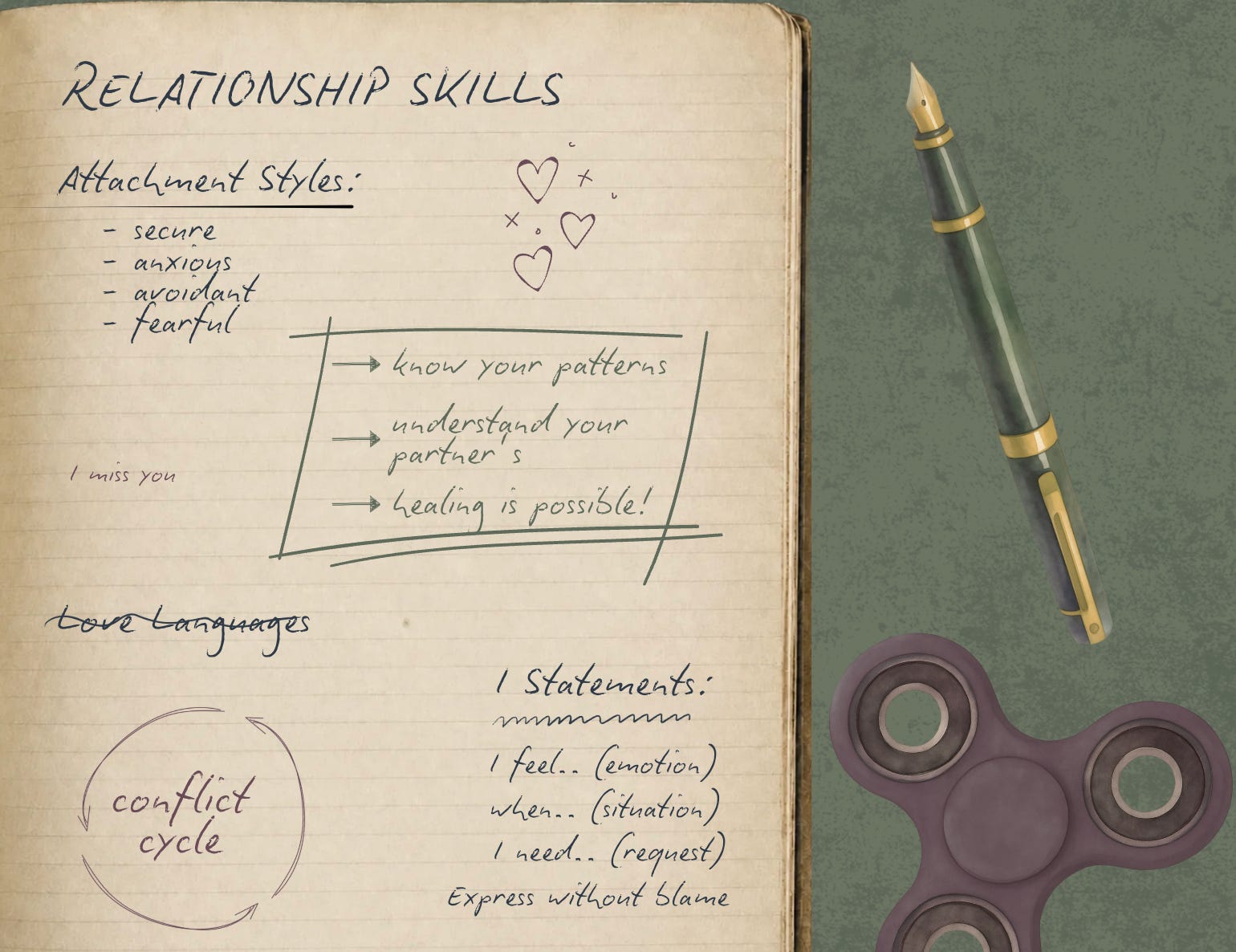
It happened at a dinner with their other partners, where it became apparent as the night went on that Eli’s partner Claire knew more about his emotions and fears than Nadia did. During the post-dinner processing conversation, Nadia realized that she had a similar relationship with her other partner, who often prodded her for information that Eli didn’t. Both of them were startled to find that their connection had been stagnant for awhile, and that they’d both started to turn elsewhere with emotions they unconsciously deemed too messy for the marriage.
I want to be explicit that this is not a statement about non-monogamy. The external relationships were not a problem. The internal relationship was. Both of them were deeply committed to personal evolution and dynamic growth; this was the primary reason they chose each other in the first place. So how did it happen that nothing was moving between them?
A couple of weeks ago, we talked about overprotection of the bond. Something happens in us when we have something we strongly want to protect: we harden around it. Without ever meaning to, we start to redirect potential sources of tension away from it. We take risks in places where it’s less dangerous, where a rejection or a failure won’t hurt anything load-bearing.
When this tendency aligns with therapy-literate smart people who are used to articulating feelings before feeling them, you get the perfect conditions for stagnation. Nothing is on fire, there’s little or no conflict, but there’s also not much else.
What do we do about this?
Here’s $1200 of couple therapy I’ll give you for free: Feel the thing, say the thing while feeling the thing, and your partner responds in a loving way. That’s the whole game.
Romantic vitality and intimacy are made of successful risk. Here’s what I mean by risk: when my emotion is alive in me, and I don’t filter it through my intellect, I’m handing my partner a potential weapon. What if I say it wrong? What if I don’t think through how they should respond and tell them what to do, and they do the wrong thing? What if it exposes a need I’ve carefully kept out of awareness? Doing this should be a little scary.
If it is, and my partner gives me a response that says they get it, they care about it, and they’re here for it, my body learns this is a safe thing to do. I learn on a visceral level that this person is someone I can count on. This is crucial to being able to risk again. But the part I want to amplify even more is what is happening to my partner in this moment. They get to see something they don’t usually see in me. They get to be successful. They get to experience me in a format that feels new, because it is.
That novel experience of me turns them on. We are excited about learning a new person, that’s why early intimacy is crack. We are most alive in striving, in wanting, in reaching for something new.
For Eli and Nadia, the repair, it turned out, was pretty simple. They let each other into the messy, unprocessed internal world. Eli let her come close to him while he cried about something he didn’t know how to articulate. Nadia asked him for reassurance from one of her biggest places of fear, something that she had steadfastly refused to do since they met and she learned how much he valued independence in a partner.
They didn’t need a better framework. Eli didn’t need twenty years of clinical training, and Nadia didn’t need her calendar or her neuroscience degree. One moment of contact beat every skill they’d ever learned.
If you’ve ever tried to think your way into a feeling instead of just having it, tell me about it so I’m not alone. :)
The Emotional Logic is an independent, personal project and does not belong to or reflect my employer or professional organizations. Nobody’s proofreading this but me, for better or worse.