

Why I'm here

It feels like a good time to make a more official introduction, since there are 86 of you now! And I haven’t really done it. Hi everyone. :)
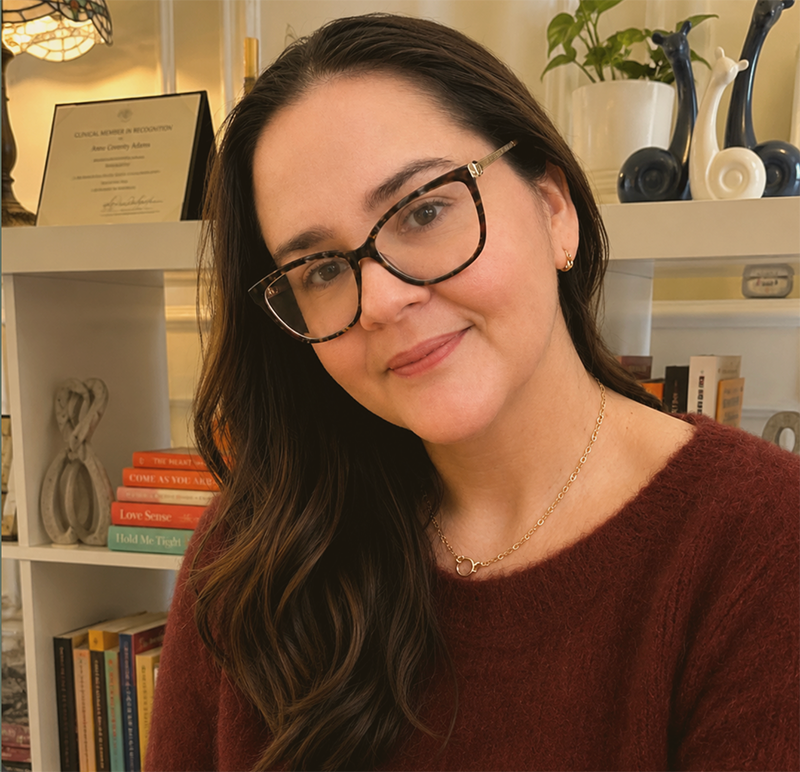
I’m Andrea. I joined Substack about a month ago, for a kind of mercenary reason. I wrote a book, and when I started looking into how I might go about getting it out into the world, I kept hearing the same refrain. No one will publish nonfiction until you have a platform. Oh, dear, a platform. I will never escape marketing. So I rebooted my sad forlorn Instagram, and instantly hated it for all the reasons I’ve always hated marketing. I have things to say, and compressing them into a Canva graphic has always felt vaguely dishonest and entirely unsatisfying. So I came here.
I am actually shocked at how much I love it. In some ways it feels very familiar. I spent a lot of years in my 20s and 30s writing various personal blogs, on my own websites and on Livejournal (remember Livejournal??). I met my husband there, along with many of my current friends. Between those and academia, essays are not foreign territory to me. But this place is like LJ and academia had a baby. So many writers, so many ideas, and so many people willing to lift each other up through whatever flavor of messy process they’re going through.
It’s an awesome place, and even if I never sell my book I’m glad I came here.
But yes. The book.
What You Wish For is what my dissertation became when it grew up and lived through ten years of couple therapy. It’s about love, longing, attachment, conflict, security, and the strange, beautiful, terrifying thing that happens when another person becomes central to our sense of possibility.
My dissertation was about falling in love. I was fascinated by the process of it: why it does what it does in the brain, why it is so compelling. That became one part of the book: the falling.
Before the falling though, is the wanting. The longing. The wish. This is the part my couple therapy training gave me: attachment theory, and beyond the attachment styles themselves, the way our early experiences of relationship shape both what we expect and what we want.
Then comes the staying. What happens when we get what we wished for and it doesn’t go how we thought? When our core fears, instead of being disproved, seem to be reinforced by conflict in a marriage? How do we reckon with loving a whole actual other person, not the fantasy, not the rescue, not the proof that we are finally safe, but this person, with their own history and limits and longings? How do we establish or restore security in the bond that matters most?
Then comes the part that I think is newer to the conversation: THEN what? What if what we wanted wasn’t just to be safe, but to be more? If the human drive for expansion and evolution is part of that initial longing, what are the conditions that make it possible? Why does the striving and seeking of early love feel so important, and so missed, later in life?
I think it’s because we are explorers.
The final part of the book is called Transcendence, and it is about love as a secure base for becoming. Security is not, in turns out, the enemy of desire. It’s the condition under which we can keep expanding into new versions of ourselves, new experiences, new dimensions of the relationship. This novelty is richer and more enduring than the novelty of early love, because we’ve done the work to build a home base we can keep coming back to.
So thank you for being here. Really.
Part of what you are doing, by reading and subscribing and commenting and sharing, is helping me prove to the publishing world that I exist. That there are people here. That this conversation matters. That maybe there is, in fact, an audience for a book about love that does not fit neatly into an Instagram square.
Which is very nice of you, since I did arrive here grumbling about platforms.
And an extra thank you to the few of you who have become paid subscribers already. That money is going straight into the book (most immediately, toward hiring an editor) which makes it feel less like a vague dream and more like an actual project with receipts.
I’m going to keep trying to build this thing, in whatever slightly awkward and meandering way I build things. I’m very glad you’re here while I do.
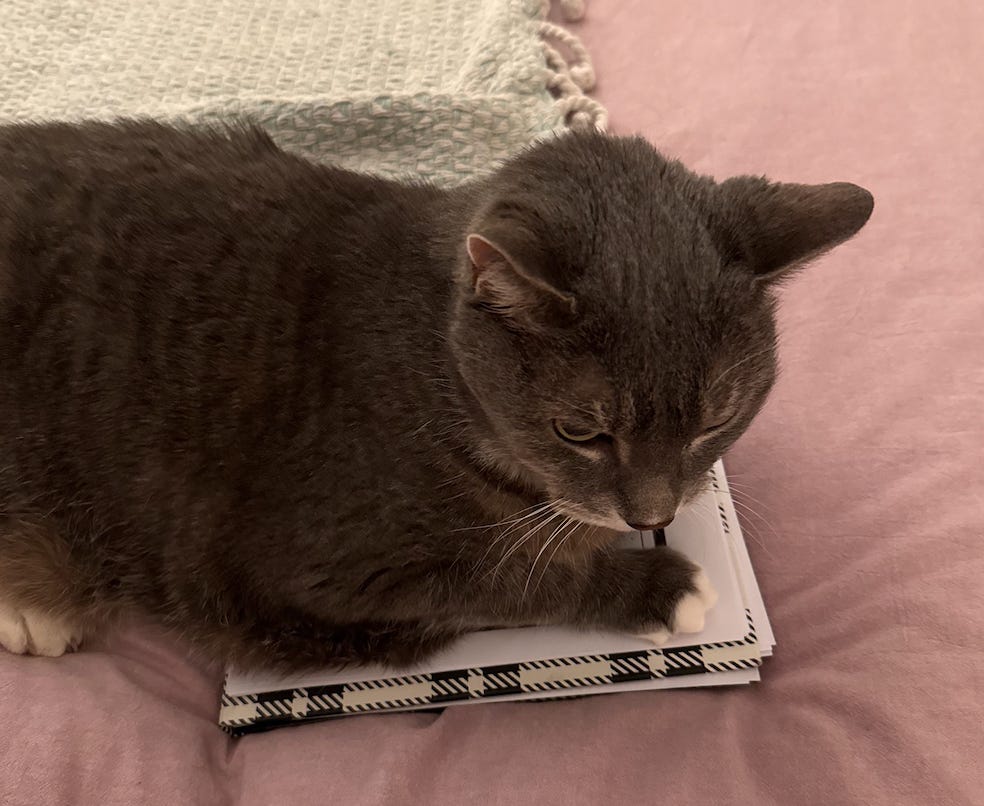
This is Marlowe. He was integral to the writing process.
I love this and there is no doubt in my mind that there is an audience for your book. A big one. Count me in.
Also came here from the Flow group, and am certainly up against the challenges of a long-term relationship and keeping it alive, keen to hear more about your work. I've been with my wife for 21 years, married for 6, since same-sex marriage became legal in Australia. Lots to say on this topic and interested in hearing about what you learned as a couples therapist. And of course, I'm curious how queer-friendly it is, if you have same-sex couples in your practice and how relevant some of the assumed norms might play out.